

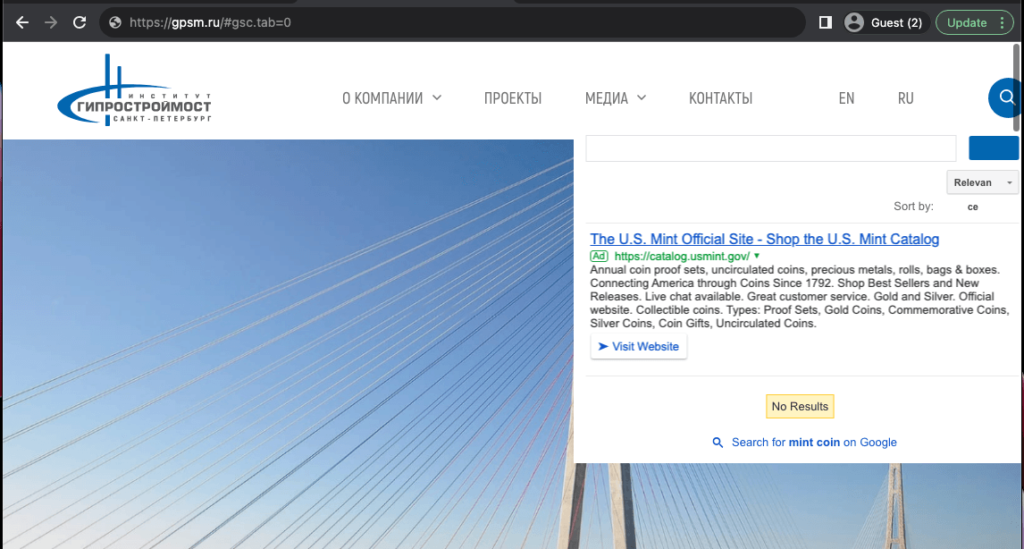
Adalytics, a third-party advertising performance optimization platform, caused a stir in the search marketing industry when they published research indicating that Google search ads were appearing on a variety of non-Google sites. These included websites with pornographic and pirated content, as well as sites in countries sanctioned by the US.
This development amplifies long-standing concerns marketers have about AI-driven advertising tools like Performance Max (PMax). With automated advertising, brands lose some control over ad placements, which can be unsettling for marketers accustomed to selecting specific ad locations.
While AI-powered tools offer incredible efficiency and power, they also bring trade-offs that can affect brand safety—a growing concern in today’s market. So, how can you safeguard your brand while still harnessing the benefits of these advanced AI capabilities?
Essential Information About Google’s Search Partner Network
As part of the Google Search Partner Network (SPN), search ads can be displayed on non-Google websites, including other search engines like Ask.com, search results on sites like Walmart or Target, and various partner websites. Google collaborates with these properties by sharing a portion of its advertising revenue, thereby extending advertisers’ reach beyond Google-owned sites.
The Adalytics report highlights that over 36,000 websites are part of the Google SPN and eligible for advertising. However, Adalytics identified that 390 of these sites contain pornographic content, and four are associated with entities sanctioned by the US government.
Google claims that the group misrepresented and exaggerated their findings. Nonetheless, the search giant has made changes in response to the report.
Google is temporarily allowing brands to opt out of SPN for all campaign types, including PMax and App Campaigns, after some brands threatened to pull ad spend if Google didn’t address the issue.
These actions imply that there may be some cause for concern, but the extent of the issue with ad placements remains unclear. Ads appearing on potentially problematic sites appear to represent a small fraction of those running on PMax or App Campaigns. According to data shared by Google with Adweek, over 90% of SPN impressions in the past month were on top 100 sites like YouTube. However, brands, particularly those in more sensitive industries, may still have valid concerns about brand safety in the current environment.
Steps you can take immediately to mitigate the risk
Regardless of the accuracy of the Adalytics report, advertisers can take several steps to ensure optimal brand safety and performance when utilizing SPN with Google Ads.
One approach is to monitor performance and traffic volume between partner and non-partner sites (this can be done by accessing Reports or Segment by Network in Google Ads). If you notice a substantial amount of traffic directed towards partner sites that isn’t converting, it may be beneficial to exclude certain campaigns from the SPN.
Another strategy is to employ a conversion-focused bid strategy, such as max conversions or max conversion value, which optimizes search or PMax campaigns toward a target CPA or ROAS. This helps maintain performance and efficiency by focusing on placements likely to achieve your conversion goals, thereby reducing wasteful spend and avoiding undesirable ad placements.
Brands also have the option to completely opt out of the SPN for either search or PMax campaigns. Previously, disabling SPN in a PMax campaign was more complex, but Google is offering opt-out options as a short-term solution from December 1, 2023, to March 1, 2024.
Google also intends to introduce additional controls to address this issue in the future, such as providing advance notice before including customers on SPN through PMax and App Campaigns.
However, brands face some limitations with their campaign options: currently, there’s no way to view the specific SPN sites where your ads are displayed. Additionally, you cannot exclude particular sites or set bid adjustments specifically for SPN sites versus Google placements.
What advertisers will need from Google moving forward
While you’ve taken steps to safeguard your brand in the short term, it’s important to consider long-term solutions. Advertisers place significant trust in Google’s automated campaigns, and it’s only natural that they seek greater transparency and control over ad placements. Google has the opportunity and responsibility to make updates that address these brand safety concerns.
Google should provide advertisers with placement reports for SPN, allowing them to see which SPN websites their ads appeared on and access engagement metrics for each site.
Brands would gain a clearer understanding of where their engaged audiences are and which ads perform best on different sites. This would also provide crucial insights for brands aiming to avoid certain SPN websites.
Once advertisers have visibility into which sites their ads appear on, they should also be able to exclude specific sites or categories, such as mature sites. Providing controls and exclusions for SPN sites would significantly alleviate marketers’ concerns about automated tools.
Additionally, Google should make the temporary option to opt out of SPN on PMax a permanent feature. While PMax is a powerful tool for marketers, its current lack of transparency and the inability to opt out make it challenging for some brands. Offering a permanent opt-out option for SPN would be a game changer for brands interested in automated search advertising.


