


In the past five years, the marketing industry has undergone significant disruption. From global events like the pandemic and economic fluctuations to major industry shifts such as data privacy changes and the rise of AI, these factors have all played a role in reshaping media costs.
So, what’s driving the change in media costs today?
We analyzed the latest data and gathered insights from our experts to forecast the future trends in media costs and how these shifts should inform your upcoming budget strategies.
Understanding the Landscape: The Current State of Marketing Budgets
While many marketers often feel constrained by limited budgets, the actual figures reveal a more complex picture. Despite temporary cutbacks caused by the economic challenges between mid-2022 and 2023, the overall ad spend is expected to bounce back in 2024, with particular growth anticipated in AVOD (Ad-Supported Video on Demand) and CTV (Connected TV) advertising.
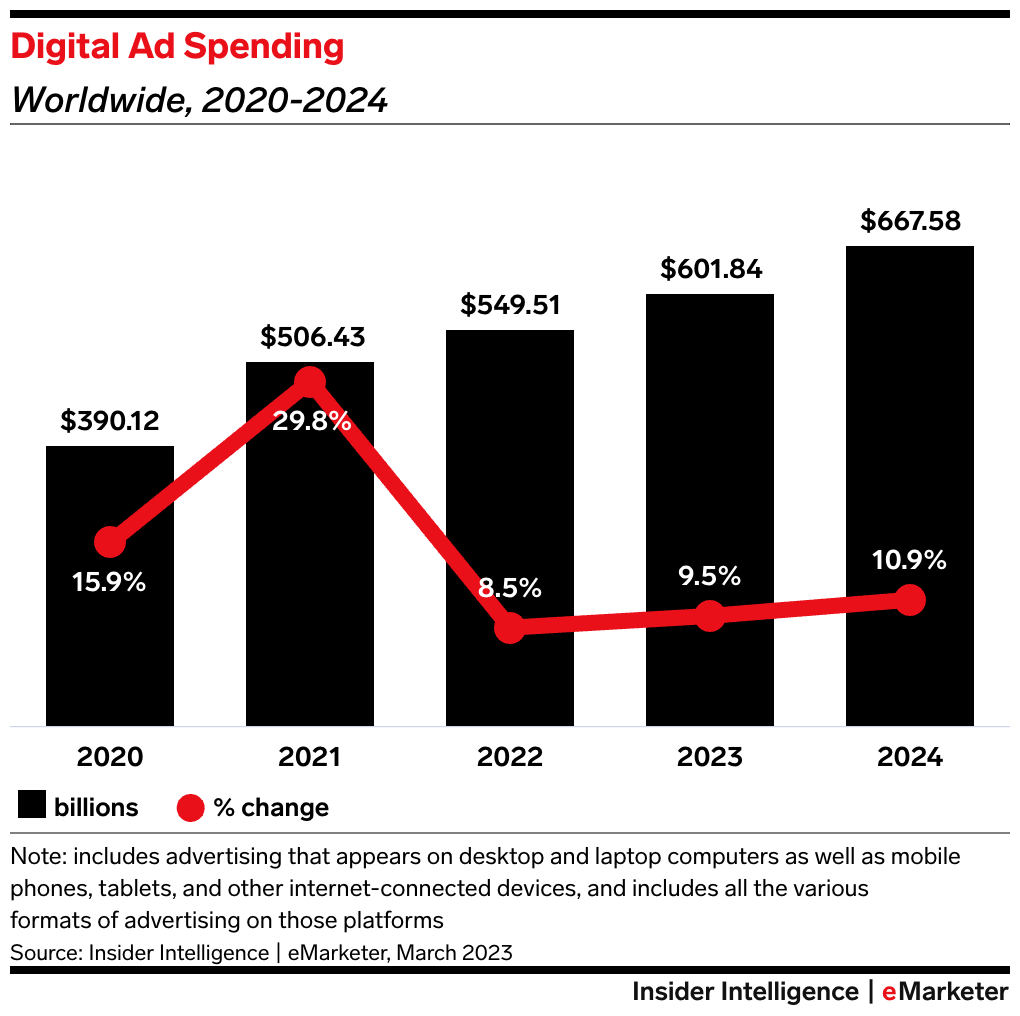
As digital ad spend stabilizes from 2023 to 2024 following the pandemic-driven surge, competition is intensifying across well-established channels like search and social media, as well as rapidly expanding platforms like CTV and retail media, which are attracting more investment than ever.
With digital advertising now reaching a mature stage, new opportunities are emerging for marketers who are strategic and forward-thinking. However, this maturity also brings challenges, making it crucial to carefully evaluate media costs and identify where to invest heavily and where to reduce spending to maximize ROI.
If you’ve been searching for guidance in this evolving landscape, there are two crucial trends you need to keep in mind as you plan your future ad spend.
Trend #1: The Impact and Cost of Premium Placements
One of the most noteworthy—and expensive—trends in today’s media spending landscape is the growing demand for ads in premium environments.
These high-end placements offer unparalleled visibility and enhanced brand safety, but they come with a steep price tag due to fierce competition. The cost escalates even further when brands add advanced targeting or specific data requirements to these premium buys.
Despite the hefty price, most brands continue to invest in these prime spots, particularly in streaming and digital video. According to a recent report from Comcast Advertising, 94% of advertisers plan to maintain or increase their spending on premium streaming ads, even in the face of economic uncertainty.
The reason? The audience is increasingly shifting to these platforms. Premium programmatic ad views have surged by 12% year-over-year, driven largely by the migration of live sports to streaming services in 2023.
This trend highlights the importance of premium placements in reaching engaged audiences, making it a critical consideration for any brand looking to optimize its media spend.

As competition continues to intensify, the cost of premium ad placements is expected to climb even higher in 2024 and beyond. With another election year on the horizon, brands concerned about the unpredictable political climate are likely to flock to these safer, high-quality environments, further driving up prices.
Retail media networks (RMNs) are also set to influence costs, as they partner with streaming services and social media platforms. By leveraging their valuable first-party data, RMNs are enhancing privacy-compliant targeting capabilities across the advertising landscape. Additionally, new premium opportunities on CTV, such as AI-powered product placements, could contribute to rising prices.
The appeal of these high-value ads is clear. Premium environments, like live sports events, offer the chance to reach a broad audience without the risk of negative brand associations—an issue that is all too common with less controlled online placements.
However, it’s essential to weigh the benefits against the costs. While investing in premium placements may result in fewer ads for your budget, the enhanced impact and brand safety could justify the higher expense.
Trend #2: AI-Powered Ad Placements Offer Efficiency but Come with Higher Risks
The growing landscape of AI-driven ad placements is revolutionizing the way brands can advertise more efficiently and at a lower cost. These placements are particularly appealing for businesses looking to maximize their ad spend, but they come with significant trade-offs: reduced control over where and how your ads appear across the web and on major platforms like Google’s Performance Max (PMax) and Meta’s Advantage+ (ASC).
These AI-powered ad types present new opportunities to enhance efficiency across digital channels, especially as automation continues to evolve and mature. Early results have been promising, with both PMax and ASC showing strong performance metrics.
Meta, in particular, has reaped substantial benefits from its AI-driven strategies. The company’s Q3 2023 revenue forecast of $32-34.5 billion exceeded analysts’ expectations of $31 billion, largely due to the success of its “year of efficiency” initiative. This effort has led to an increase in ad space availability at a lower cost across Meta’s product suite for the second consecutive quarter. In Q2 2023, Meta reported a 34% year-over-year increase in ad impressions, while the average price per ad dropped by 16% year-over-year.
A key contributor to Meta’s earnings surge has been the success of its Advantage+ campaigns. According to Meta’s internal data, Advantage+ shopping campaigns have delivered an average of 32% higher return on ad spend (ROAS), while its app campaigns have achieved an average of 9% lower cost per action.
While these AI-scaled placements offer substantial efficiency gains, brands must carefully weigh the risks associated with reduced control to determine if this approach aligns with their overall advertising strategy.
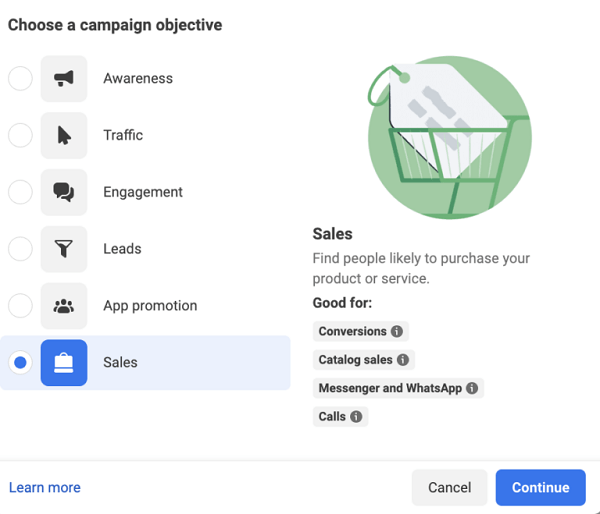
Google has also experienced significant success with its AI-driven Performance Max (PMax) campaigns. According to Google, PMax campaigns deliver 18% more conversions at a similar cost per action compared to traditional ad formats.
This data highlights the growing importance of incorporating AI-scaled ads into your marketing strategy. Experimenting with these automated campaigns is crucial as they offer a unique opportunity to boost efficiency and reduce costs. However, when planning your media mix, it’s essential to strike the right balance between premium placements and AI-powered campaigns.
While AI-driven ads provide cost savings and increased efficiency, they also come with less control over where and how your ads are displayed. Finding the optimal mix for your business will be key to maximizing your ROI in this evolving digital landscape.
Crafting an Effective Media Strategy for 2024-2026: Balancing Priorities
Creating an optimal media strategy for 2024-2026 requires a careful risk-benefit analysis tailored to your brand’s specific needs and goals.
Begin by defining your overarching objectives: What are your marketing goals? What core business outcomes are you aiming for? Once these are clear, assess the reach, frequency, and impact of various campaigns. It’s crucial to consider the entire media supply chain and the overall value these campaigns bring to your business, ensuring you maintain a broad perspective rather than focusing solely on individual metrics.
While maximizing scale can help manage efficiency, it’s important to scrutinize what you’re paying for and whether it aligns with your business goals. Reflect on key questions: Is efficiency truly your ultimate goal? Are higher CPMs problematic if they result in conversions from high-value customers?
Balancing these elements will help you build a media strategy that not only drives efficiency but also supports long-term business success.
The strategy is straightforward: discover the ideal balance between high-value, premium activations and scalable, cost-effective AI-powered campaigns that align with your audience and business goals.
In the coming two years, the leading brands will excel by developing agile, well-balanced media strategies. These successful brands will be prepared to invest more in premium placements that target high-value audiences while also leveraging cost-effective, efficient media solutions.
They will integrate continuous testing into their budgeting and strategy, allowing them to capitalize on emerging opportunities and adjust their tactics and media mix to enhance performance and manage costs effectively. Embracing this approach will be key to staying ahead in a competitive landscape.


